Deep underground, the military sees all
March 21 2003
As the first bombs fell over Iraq yesterday, Australia's military chiefs
sat huddled in a secret war room buried metres beneath defence headquarters
in Canberra.
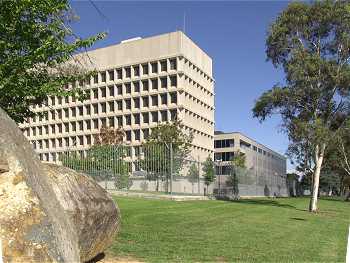
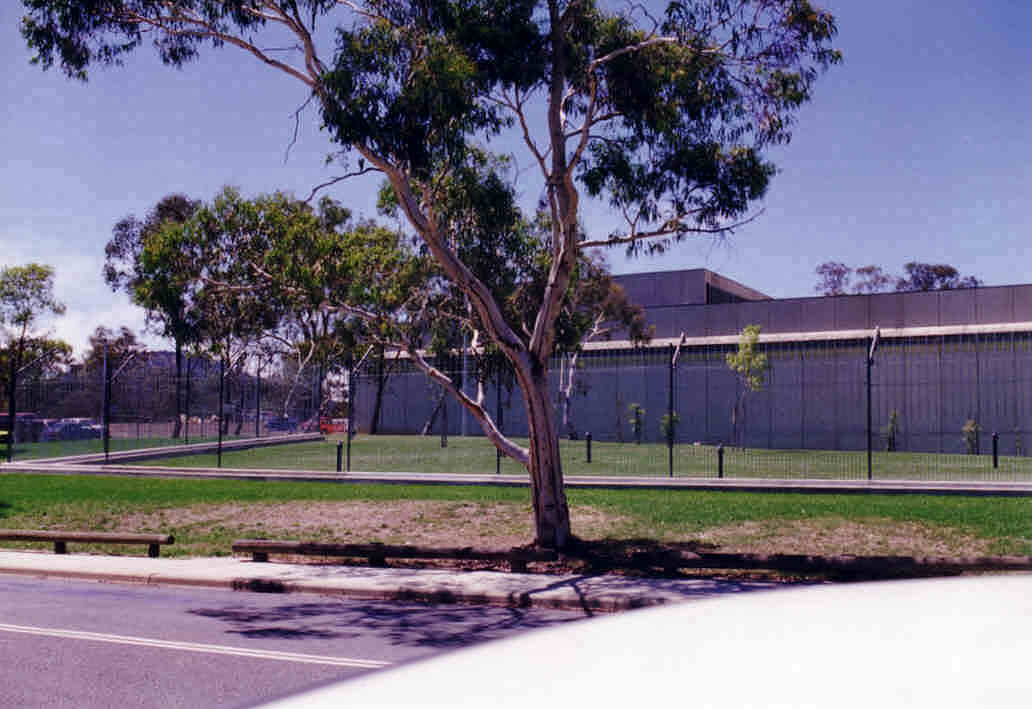
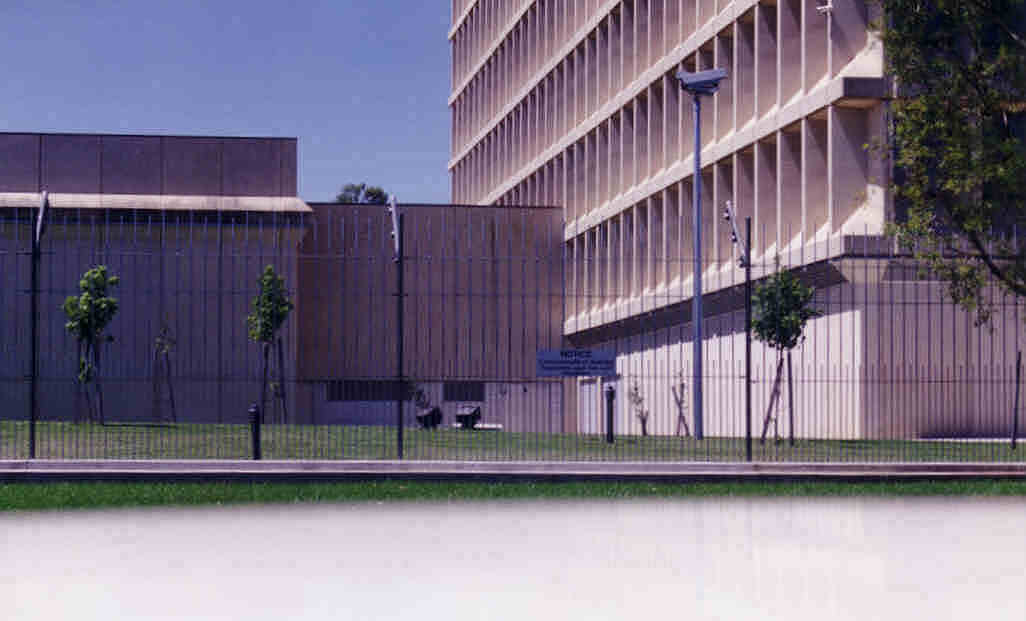
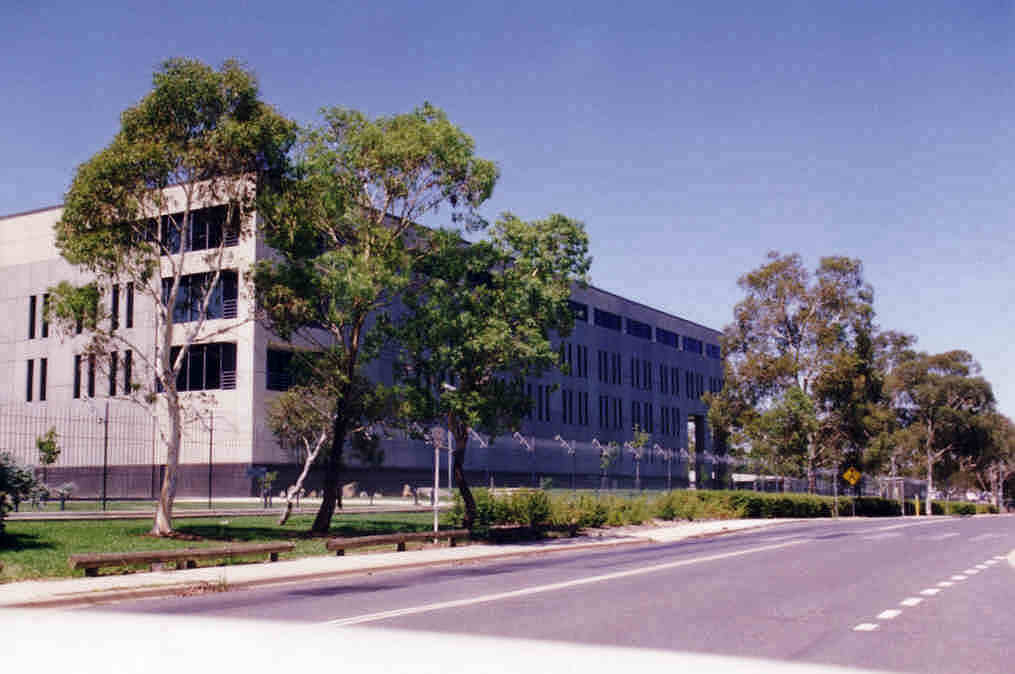
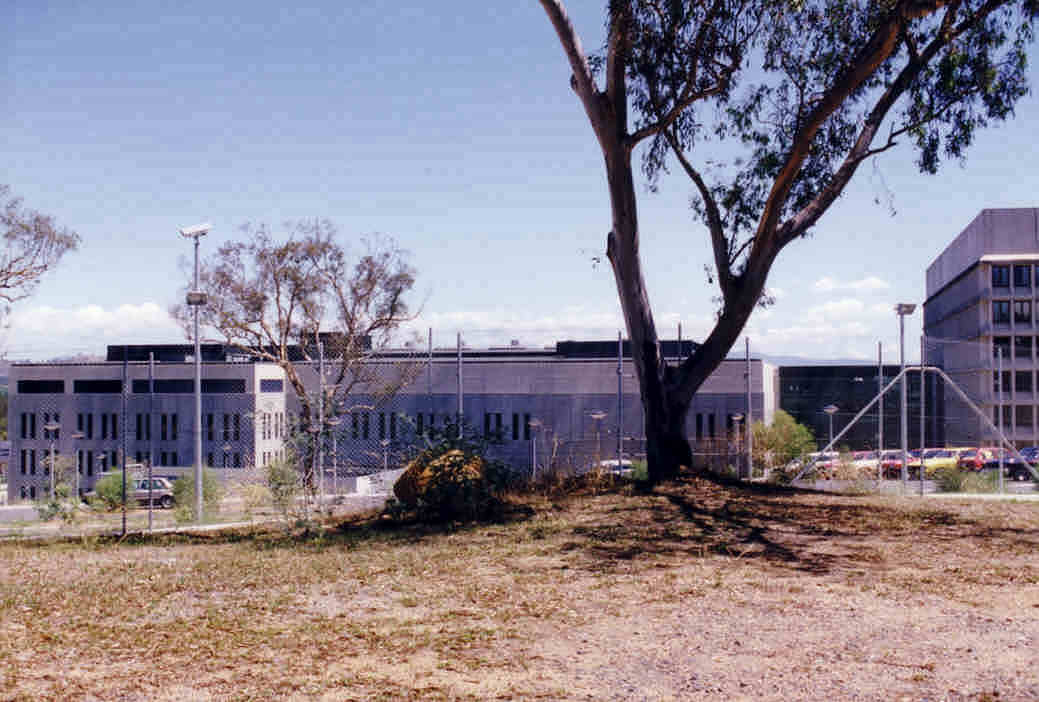
Behind the high, razor-steel fences of the Defence Signals Directorate, the
Defence Minister, Robert Hill, joined the chief of the military, General
Peter Cosgrove, for a brief tour of the ADF's command and control centre.
From here the military can contact and direct Australian forces anywhere
in the world, including teams of Special Air Service commandos operating
deep inside Iraq.
Entry requires passage past two security desks and the surrender of mobile
phones and laptops.
Behind banks of computers and video screens, military personnel and a scattering
of civilians and defence scientists filtered information rolling in from
around the world - a process known as de-conflicting.
"They need to work out what the senior commanders need to know and de-conflict
that information," an ADF spokesman said. "It just means making sure everything
is right."
Under clocks showing the time in the Middle East, Christmas Island, London
and the United States, the control centre boasted wall-size maps of Iraq
and video conferencing facilities, and screens marked "secret".
From here the ADF controlled operations in East Timor in 1999, the interception
of asylum seekers and the "war on terror" deployment to Afghanistan.
"This is a huge command post," General Cosgrove said.
"This is an absolute beehive. They're processing information; they're sending
it on.
"With satellite communications we can speak to [the troops] whenever we want."
The war room, called the pit by its inhabitants, will provide information
to senior officers, including General Cosgrove and the centre commander,
Major-General Ken Gillespie, 24 hours a day. General Cosgrove, other senior
officers and the secretary of the Defence Department, Ric Smith, will receive
daily briefings early each morning and will in turn brief the Government.
Morning briefings at Parliament House will include the Prime Minister, John
Howard, and senior ministers on the National Security Committee of cabinet.
Also in the war room were lawyers ready to advise on the legality of combat
missions in Iraq under Australia's tight rules of engagement.
"There are teams of lawyers here 24 hours a day, relating to lawyers in the
field, who are relating to other lawyers in allied forces," Senator Hill
said.
"From a planning point of view I really think the performance here has been
excellent. That leads to the forces in the field having confidence in what's
happening here."
AAP
Defence Signals Directorate
What We Do
DSD's purpose is to support Australian Government decision-makers and the
Australian Defence Force with high-quality foreign signals intelligence products
and services. DSD makes Government and Defence policy more certain and more
effective by providing the policy Departments and assessment agencies with
important information that is not available from open sources. DSD also directly
contributes to the military effectiveness of the ADF, and provides a range
of information security services to ensure that their sensitive electronic
information systems are not susceptible to unauthorised access, compromise
or disruption.
The task of an agency such as DSD is increasingly complex and demanding as
we prepare to enter the 21st century. Since the end of the Cold War, the
world has, paradoxically, become a much more uncertain place, and the Australian
Government has to make quick decisions from a wide range of choices as it
responds to political and economic imperatives. To do so, it needs timely
access to the best information available, and intelligence is one of the
sources on which it relies.
At the same time, the revolution in information technology has fundamentally
changed the world we live in and the way we all do business. Modern
communications technologies have ushered in the Information Age and the
electronic marketplace. For DSD, for whom information is core business (we
both collect and protect information), the new environment continually challenges
us to look for new and better ways to fulfil our obligations to Australia's
Government and Defence Force.
History
The war years
The origin of DSD lies in Australian involvement in the several Signals
Intelligence Sigint) organisations formed during the Second World War to
support US and Australian forces in the Pacific theatre: the Central Bureau,
the Fleet Radio Unit Melbourne (FRUMEL), the RAAF Wireless Units, and the
Army's Australian Special Wireless Group. Both Australian and US personnel
were integrated in Central Bureau, which was established in Melbourne early
in 1942. Late in 1942 Central Bureau moved to Brisbane following MacArthur's
Headquarters, and elements of the Bureau deployed with him to the Philippines
later in the war. The operations of the Australian Sigint units were gradually
wound down after the war, and all archival material relating to their operations
has been declassified for interested researchers.
The early incarnations
Approval for the formation of a new peacetime signals intelligence organisation
was given by the Australian Government on 23rd July 1946. This new Signals
Intelligence Centre, to be located at Albert Park Barracks in Melbourne under
the name of the Defence Signals Bureau (DSB) - the forerunner of DSD - began
to take shape in late March 1947. Final Australian Government endorsement
occurred on 12th November 1947. DSB's role was to exploit foreign communications
and be responsible for communications security in the Australian Services
and Government Departments. The organisation was retitled Defence Signals
Branch in October 1949, a title it retained until January 1964 when it was
renamed Defence Signals Division.
DSD's intelligence role was formally acknowledged in 1977 in the Prime Minister's
statement to the House of Representatives on the Royal Commission into
Intelligence and Security. Part of the outcome of the review was that the
organisation was restyled the Defence Signals Directorate and made directly
responsible to the Secretary of the Department of Defence. The new Directorate
was approved by Cabinet on 13 July 1978, and in 1979 relocated from its long-term
"temporary" accomodation in Albert Park to a new purpose-built facility in
Melbourne's historic Victoria Barracks.
Moving to Canberra
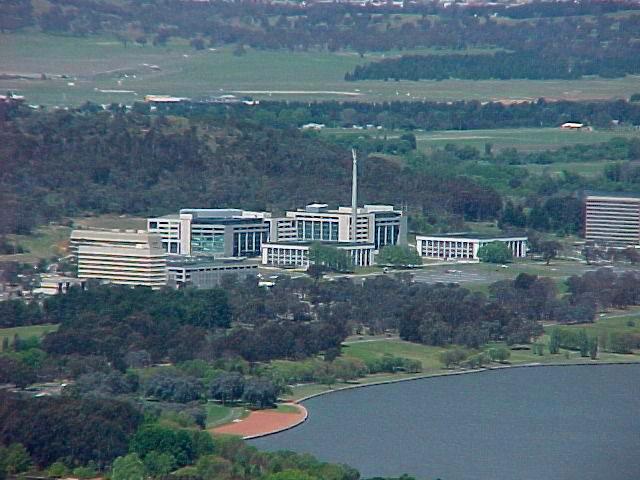
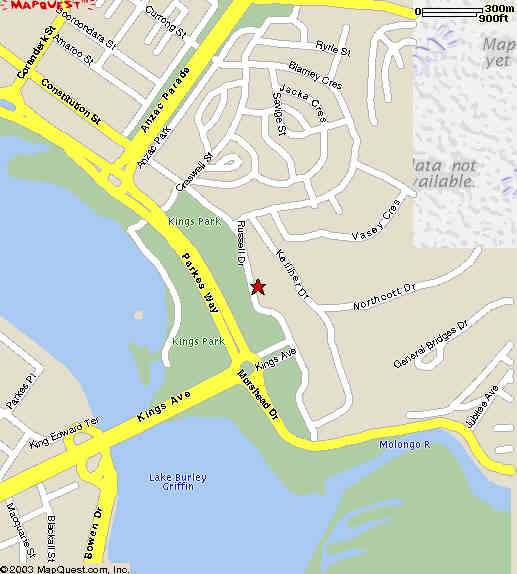
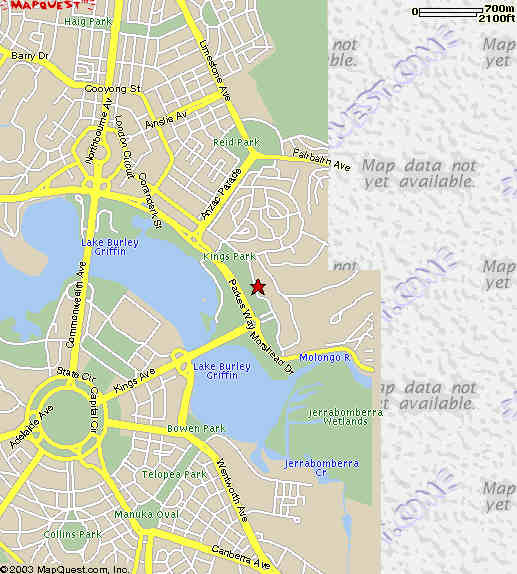
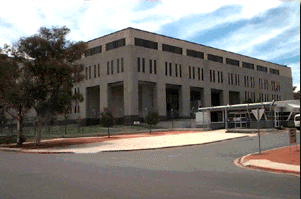
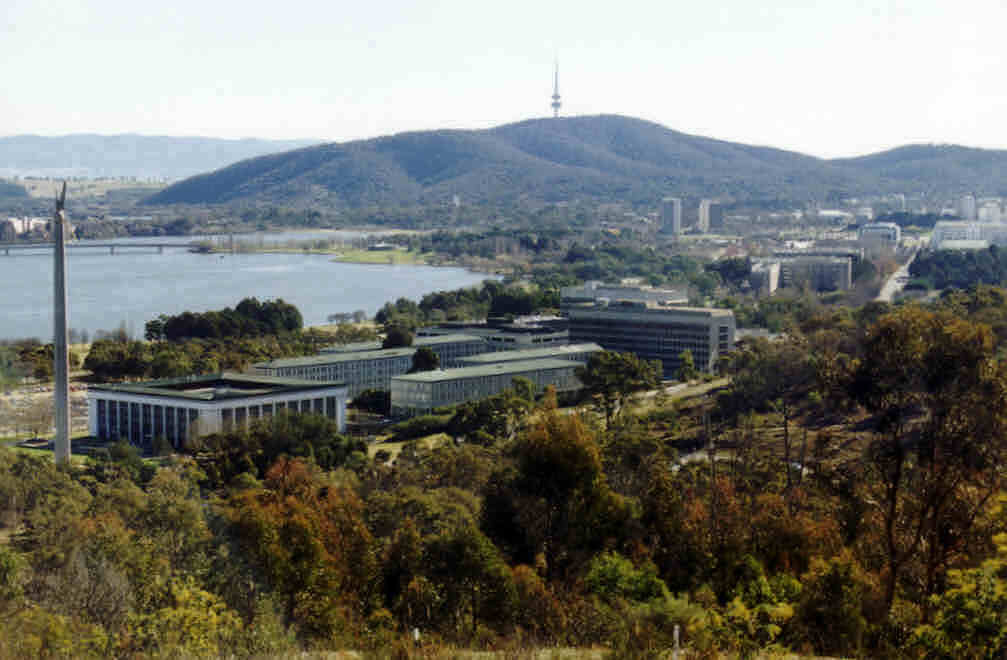
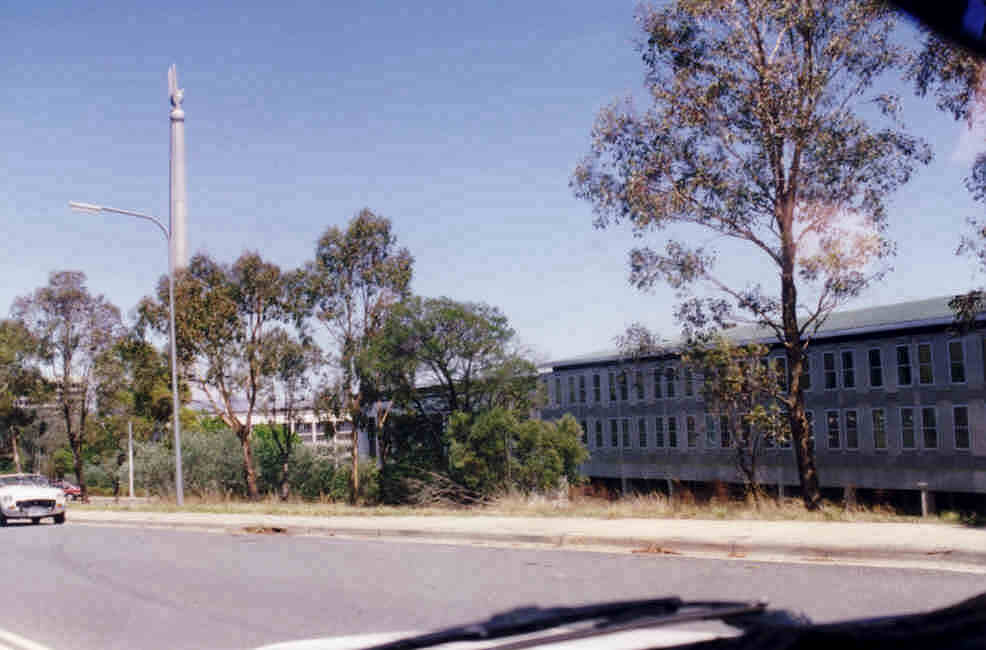
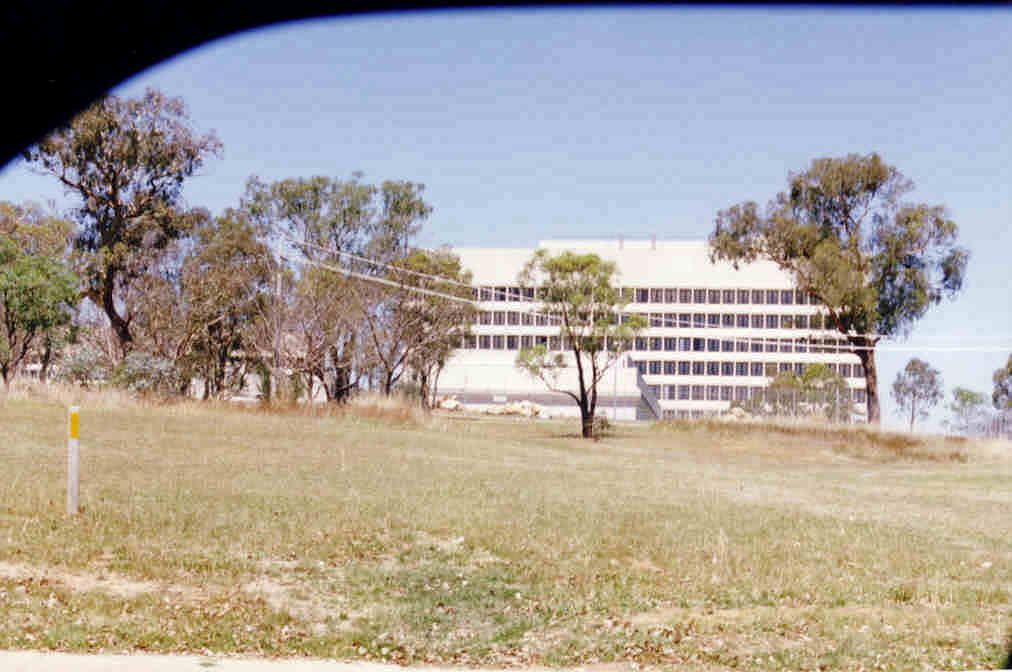
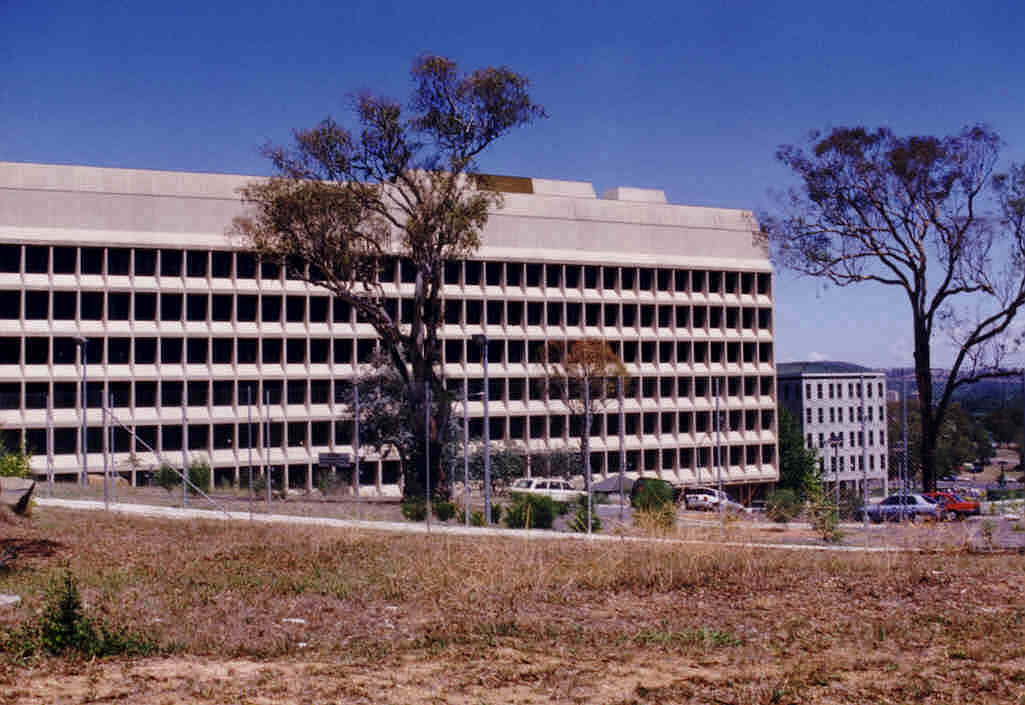
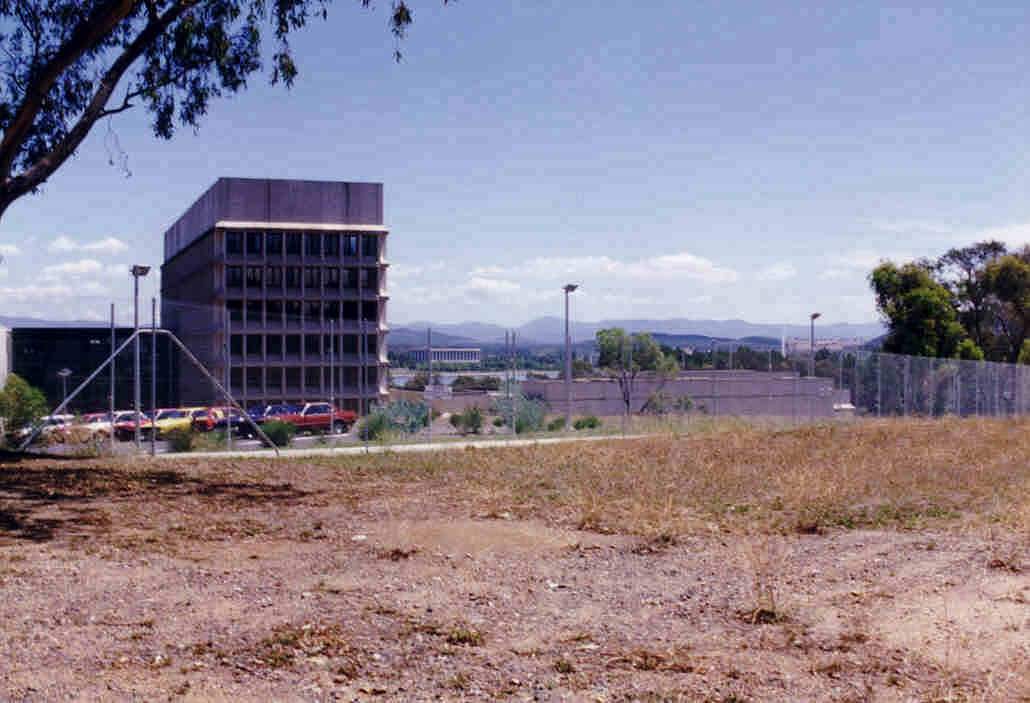
In June 1988 the Government decided that DSD should be relocated to Canberra
to new facilities at the northern end of the Russell Defence complex. This
was to enable DSD to establish a closer relationship with, and provide a
better service to, its major customers - in the Defence organisation, including
the ADF, other intelligence agencies, Department of Foreign Affairs and Trade
and Department of Prime Minister and Cabinet. The move was completed in two
phases over the Christmas period 1991/92 and 1992/93.